What exactly is DevOps?

Lavish is currently a pre final year student at IIMT College of engineering and CNCF Mentee who has previously contributed to various CNCF projects. He loves deep diving into distributed systems and creating articles on them. His best days are when he finds ways to create impact in the communities.
In this blog, we'll dive into the world of DevOps and explore its incredible potential. So let's jump right in and unravel the mysteries of this awesome topic.

DevOps is the most-heard buzzword in the IT industry.
Well, DevOps is a relatively new concept which has been gaining a lot of popularity and taking over the traditional way of software development.

Introduction
It's a collaborative culture that bridges the gap between development and operations. This approach focuses on ways to streamline the software delivery process while improving the application's quality, reliability, and security.
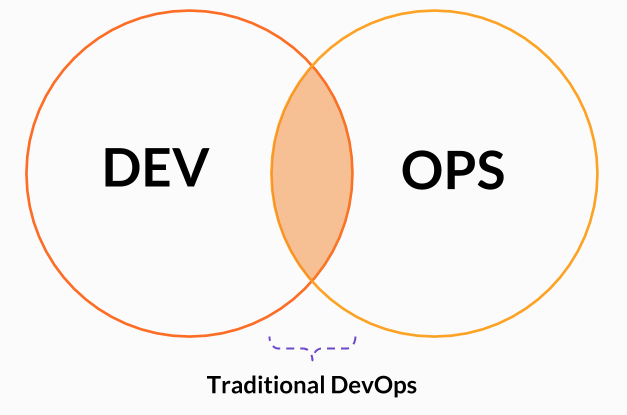
Basically in a nutshell DevOps is an intersection of Development and operation.
Why DevOps?
DevOps helps organizations deliver software faster and more efficiently, leading to a competitive edge in the market. It encourages collaboration and transparency, which enhances communication and minimizes conflict.
DevOps Workflow Models
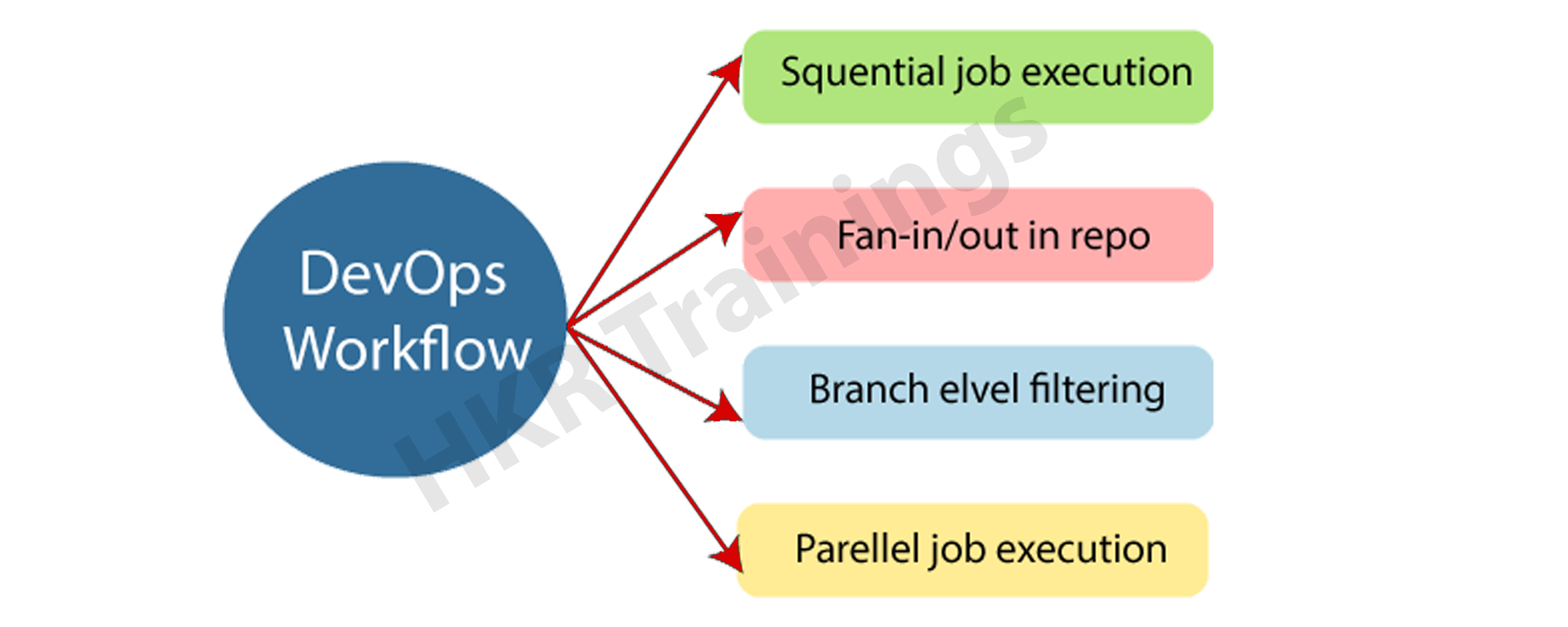
A DevOps workflow is a visual representation of the order in wherein the input is supplied. It also specifies which action is carried out and what output is created for an operations procedure. The capability to segregate and organize the tasks that are most frequently requested by users is provided by DevOps workflow. It also allows them to replicate their ideal approach in configuration jobs. Agility and automation are at the heart of the DevOps process flow.
DevOps is a combination of development and operations, designed to bring speed and agility to the software delivery process. Before DevOps, development and operations used different models to manage their processes. The waterfall model was popular for development while operations followed the ITIL framework. The waterfall model requires each process to be completed before the next one begins. It is a sequential process and thus not efficient.
Agile methodology was developed to address the limitations of the waterfall model. The agile model uses an iterative approach and, as the name suggests, is more flexible. Development teams can make changes quickly, enabling them to adapt to changing market conditions. However, one of its drawbacks is that it does not manage operations.
Principles of DevOps
Continuous Integration :
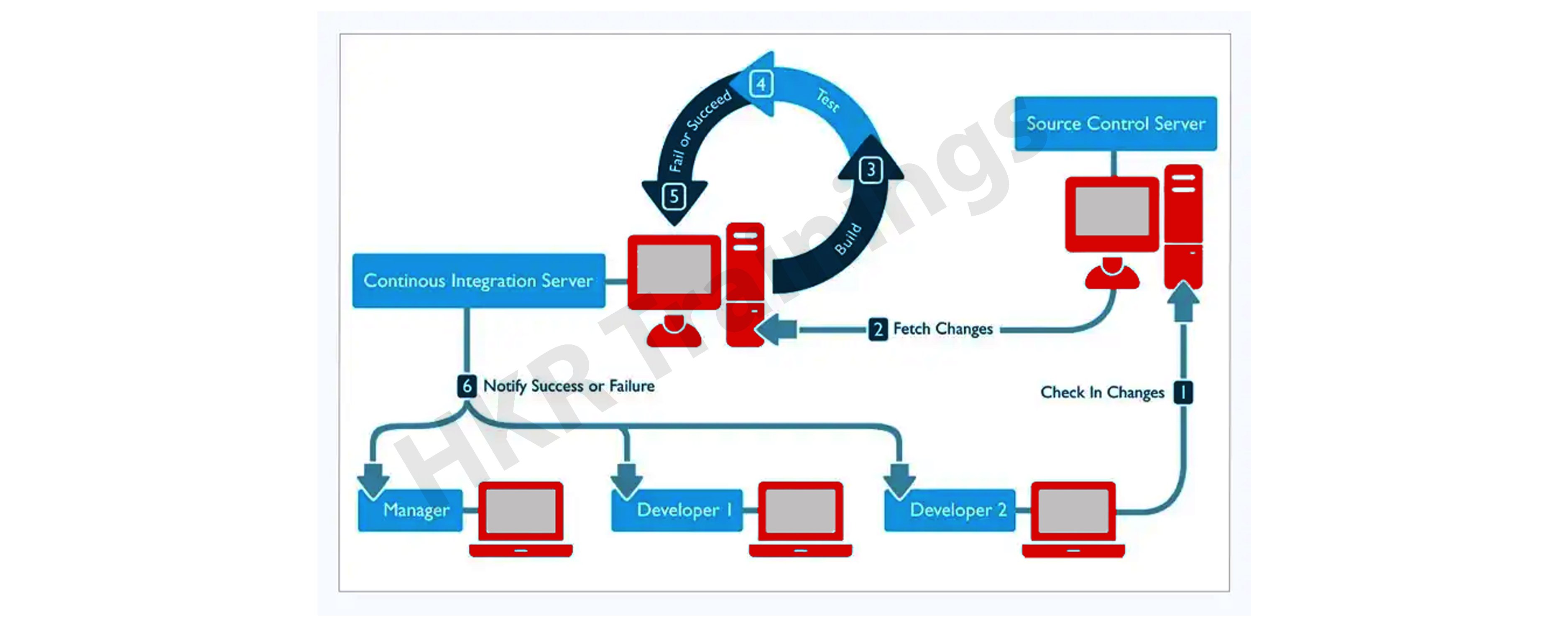
Continuous Integration (CI) refers to the practice of continuously merging code changes from multiple developers into a single repository. CI ensures the early detection of any issues that may arise from integration and helps streamline the development process. By automating this process with tools like Jenkins and Travis CI, DevOps teams can ensure that the code is always in a releasable state.
Microservices Architecture:
Microservices Architecture is an approach to building software systems that break down complex applications into smaller, independent services. These services can be developed and deployed independently, allowing for greater flexibility, scalability, and resilience. By using tools like Kubernetes and Istio, DevOps teams can easily manage and orchestrate microservices-based applications.
Continuous Delivery :
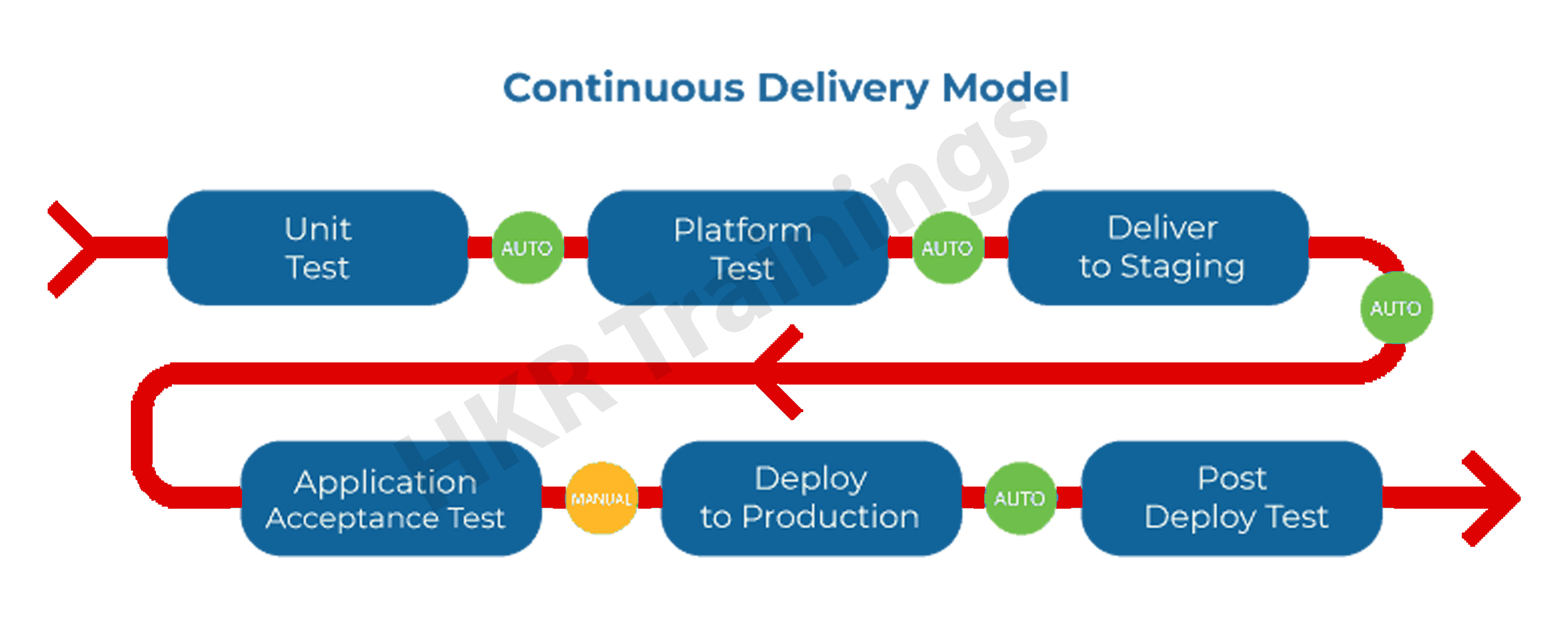
Continuous delivery is a software improvement practice where code alters are consequently ready for delivery to production. A stronghold of current application advancement, continuous delivery develops by sending all code alters to a testing climate or potentially a creation climate after the construct stage. When appropriately executed, engineers will have a deployed prepared form that has gone through a state-sanctioned test method.
Continuous delivery allows engineers to computerize testing past unit tests so they could check app refreshes across numerous measurements before sending them to clients.
Continuous Deployment :
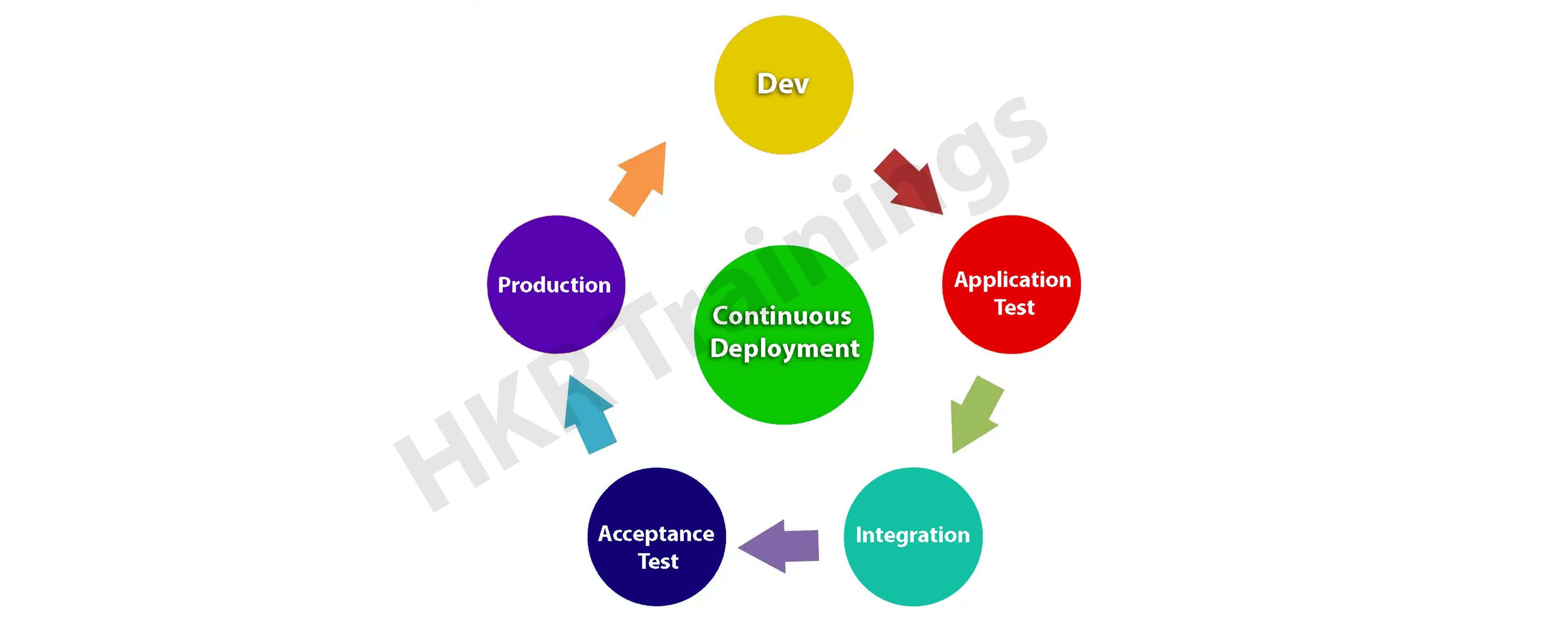
Continuous deployment is a strategy in software development where code changes to an application are released automatically into the production environment. This automation is driven by a series of predefined tests. Once new updates pass those tests, the system pushes the updates directly to the software's users.
Continuous Deployment vs Continous Delivery:
“Continuous deployment” and “Continuous delivery” may sound like the same thing, but they are two different approaches.
Continuous Deployment takes automation a step further and removes the need for manual intervention. The tests and developers are considered trustworthy enough that approval for production release is not required.
If the tests pass, the new code is considered to be approved, and the deployment to production just happens.
Continuous Delivery is a software development practice where software is built in such a way that it can be released into production at any given time. To accomplish this, a continuous delivery model involves production-like test environments.
After the code passes all tests, continuous delivery requires human intervention to approve deployments into production. The deployment itself is then performed by automation.
Benefits of DevOps
DevOps proponents describe several business and technical benefits, many of which can result in happier customers. Some benefits of DevOps include:
Increased collaboration:
DevOps promotes closer collaboration between development teams and operations teams, breaking down silos and encouraging shared responsibilities. This collaboration leads to better communication, knowledge sharing, and alignment of goals, resulting in faster and more efficient development cycles.
Accelerated software delivery:
By automating processes and adopting continuous integration and continuous delivery (CI/CD) practices, DevOps enables faster and more frequent software releases. This reduces time-to-market and allows organizations to respond quickly to market demands and customer feedback.
Continuous learning and innovation:
DevOps promotes a culture of continuous learning, experimentation, and innovation. Teams are encouraged to share knowledge, embrace new technologies, and explore creative solutions. This fosters a dynamic environment where individuals and organizations can grow and evolve.
Enhanced software quality and reliability:
By integrating automated testing, code reviews, and continuous monitoring into the development process, DevOps helps identify and address issues early on. This leads to improved software quality, reduced bugs, and more stable and reliable systems.
Challenges of DevOps
Change in Culture :
People are often hesitant to embrace change, particularly if it means learning new skills and workflows.
Lack of skills and expertise :
DevOps requires a specific skill set and knowledge to manage it effectively, and if organizations lack those skills, DevOps implementation becomes complex.
The complexity of implementation :
DevOps is a complicated process that requires complete commitment and dedication.
Security and Compliance :
Security and Compliance concerns are becoming a significant challenge for organizations. DevOps processes involve high automation, which can cause complications in security and compliance audits.
Resources to get started with DevOps
As we all know that before starting with anything we should have a clear understanding of steps towards our goal. So, here are some resources by which you get started.
Roadmap to get started with DevOps By Saiyam Pathak
Full DevOps Bootcamp playlist By Kunal Kushwaha
Conclusion
I'm pretty sure that after reading this blog you at least got the feeling the DevOps. And as they say, you can learn all you want but you only get a better understanding of how things work when you apply that hands-on by yourself.
Hope you had a blast reading this blog 😃( not literally )


